Coming off the nostalgic high that was Generations, things were looking bright for the franchise’s future. They had not only gotten down exactly what 3D Sonic should be in the previous game, but also proven that they had a good template in case they ever wanted to work in 2D again. They’d also largely shaved the cast down to what most would agree to be the essentials of the series (even if I still think Big and Omega deserve occasional appearances). With these things done, and plenty of good will earned back, Sega geared up for Sonic’s next adventure, which would surely be beloved by both fans new and old.
Lost World, the next game in the series, looked immediately promising, with just a few minor issues giving people pause. The parkour system looked like a relatively logical addition to the 3D gameplay of Generations, we were seeing new environments as opposed to the previous game’s focus on older levels, and it looked like Eggman was returning to the villainous mold he had developed back in the Adventure games. Sure the gameplay looked a little slow, but that was surely beta footage. And while the one extra monster of the week was suddenly six new villains at once, that surely didn’t mean we were already on our way back into a cast bloat. Right? While not outright hated, Sonic Lost World had a bit of a difficult time finding fans. Some loved the maneuverability granted by the parkour system, the amusing dialogue, and the rerailing of Tails as a character, while others found that the whole game played too slowly and were instantly sick of the Deadly Six as soon as they were introduced. This was, for lack of another word, divisive. You’d be hard pressed to find somebody who hates the game, but there aren’t many who would rank it among their favorites. Ultimately, it just wasn’t what people were expecting after Generations had blown minds; it was rather similar to the reception of Sonic Heroes in the wake of the Adventure titles.
The next follow-up came in the form of a continuity reboot known as Sonic Boom. Boom got a massive push from Sega, getting multiple games that released close to each other as well as a cartoon. The concept behind Boom, almost seemingly in response to Lost World’s reception, was to take a back to the basics approach to the writing while further experimenting with new forms of gameplay. This new installment cut the series’ roster down to Sonic, Tails, Amy, Knuckles, Eggman, and Shadow, with one new character in Sticks so that the cartoon could work. All the characters saw redesigns to make it clear exactly which versions of the characters fell under Boom’s umbrella, and I do have to say that while I don’t love the changes to Knuckles, the rest of the cast looks pretty good in their Boom designs.
The first game in this subseries was a 4-player beat-em-up that bore virtually no resemblance to anything the franchise had done before. It was infamously glitchy and was a barely functional game that allowed for some mindless fun if you were a young child. The second was a single player 2D puzzle platformer that through the lessons Generations had taught about 2D gameplay out the window. There would be five games released under this moniker from 2014-2016, which should say a lot about how little development time some of them received. Of them, only the 2D game was particularly well received, and even that came with he asterix of not feeling like a Sonic game. For what little I saw of it, it seems the cartoon was actually pretty good, so that at least protected the brand during this time. Sonic Boom is an utterly fascinating experiment precisely because of where it is placed in the series. They had a massive hit in Generations, produced one game with mixed reception, and then decided to throw out everything in favor of a new continuity and a set of gameplay styles that were entirely isolated to this period of the series. Part of me thinks that Boom got its start as an original IP before Sonic became attached, and part of me thinks that Sega was just desperate for a new direction to take the franchise in, seeing as their only major success in some time had been a massive nostalgia grab. While Sonic 06 wasn’t a reboot per se, the parallels are immediately visible, with the barely functional games in a new style releasing right after a divisive title. You can also make the case that these games are the new Shadow the Hedgehog, given the sidegrade nature of them as a side character takes center stage and new systems that feel out of place in the series are implemented.
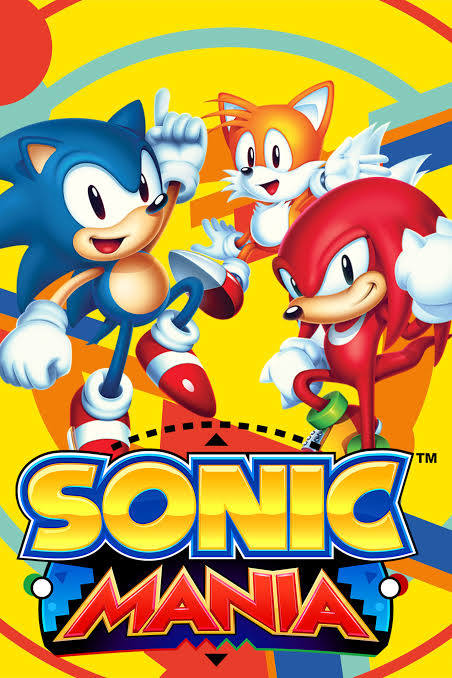
What came after all this, however, was universally beloved. Sega finally admitted to not understanding what fans wanted and… hired fans. The resulting title, at least partially made by Christian Whitehead of the famous Sonic CD iOS port, was Sonic Mania. This title returned to the 2D style of the Genesis games, and was a marked improvement over what had come before. It mixed new ideas with the nostalgic stylings of Generations, with the game being split about half and half between new original levels, and truly remixed versions of fan favorite zones from the Genesis titles. And when I say remixed, I mean remixed. The first half of Mania’s Chemical Plant might play out the way the previous visits to the setting had, but the second half goes deep into physics shenanigans with colored chemical gels this time around. This brand of creativity permeates the entire game, allowing both new and old concepts to shine again, and thanks to this love letter to the fans, all was well and the Sonic series would never have any downhill moments ever again.
Oh right, Mania ended in a teaser for a new game.
Sonic Forces came shortly afterwards, and more or less shot its own franchise in the foot outright. It was a game that desperately clung to a thing that once worked without understanding why that thing once worked. The return to having both Modern and Classic Sonic as the player characters in 3D and 2D levels, respectively, should have been a decent enough idea. The reuse of some old level designs, with a new villain who brought back all the major antagonists from across the series, should have worked out. The player avatar that finally let people canonize their Sonic OCs (god I still don’t understand how that became a thing in the fanbase for so long) and came with its own gameplay style seemed like it aligned with many industry trends at the time. Unfortunately, none of this mattered when the final product was a sloppy mess that was too short for the asking price, was notoriously buggy, and failed to actually deliver on good versions of all that was promised. The so-called tie-in with Mania just resulted in Classic Sonic and some weird retcons that clashed with what Generations had established about him. The previous bosses returning ultimately amounted to nothing more than some lifeless boss fights and random character assassination. The levels were brand new, but people could see parts of the designs being obviously lifted from other games, making it come off as terribly lazy. The potentially interesting concept of putting the cast into an actual war scenario also just didn’t work because nobody involved could agree on a tone (and because all those antagonists working together is frankly a laughable concept). As per usual, the soundtrack was doing a lot of heavy lifting to make people think they liked the game. Forces, not Sonic Boom, ended up being the new 06.
Which of course, brings us back to the Sonic Cycle, and how being a fan of this series is often painful. There’s very few other ways to express it: sometimes this series is great, and sometimes it just sucks. There’s no good way to predict what is about to happen with a given title, as proven by the fact that Mania and Forces were literal tie-ins to each other. We get bursts of improvement and eventually it results in an awful game again before the series recovers. And it’s frankly insane that we define this as the Sonic Cycle when nearly every franchise with this many games suffers from it too. Mario and Street Fighter and Pokemon and Crash Bandicoot and Halo and Fallout and Zelda and Call of Duty and Resident Evil and Megaman and Castlevania and every other long-running series eventually produces some awful or divisive titles we prefer not to look back on. While 06 was sincerely bad enough to warrant all the criticism it got, and while some of the franchise’s choices were more than a little odd, much of this gets stirred up and targeted at this one series for two simple reasons. The first is that it’s always been hard to take the anthropomorphic blue hedgehog seriously ever since he went to 3D and started talking. The second is that the series was so popular that a small army of Youtubers and media reviewers were all able to take united shots at the worst parts of Sonic. Again, some of it was deserved, 06 really did suck that much. But also the shelf life of those criticisms and memes (and that weird online OC community) turned this into the central discourse surrounding a franchise that really just wanted to let you go fast and have fun. That’s a shame, because for as weird and sometimes terrible as these games can be, they are always, always trying something new and interesting.
I originally intended to end the retrospective with a proper review of Sonic Frontiers, the game that followed up on all this and was ultimately deemed “good” by the fans. It’s taken so long to write all of this up amongst other projects that we’re long past the point where that would be interesting. So instead I’m going to leave us with this: Sonic Frontiers was a good game and what the franchise needed in the moment. It also doesn’t deserve as much praise as it got because it was ultimately just good and the writing wasn’t nearly as impressive as a lot of fans who enjoyed all the references pretend it is. Overall though? It was still a good game that is pulling the series back up for its next round. And between that, the live action movies, and the Sonic Prime cartoon, the series is in a perfectly good spot. It is, in spite of all the negative discourse that eternally surrounds the series, still a much bigger success than the majority of game franchises. It’s a staple of video games that helped get the industry to where it is and which helped pave the road for good game adaptations alongside the likes of Pokemon and Tomb Raider. For better or for worse, Sonic the Hedgehog is Sonic the Hedgehog. I don’t care to play every game in the series, and I’m always cautious about buying when a new one comes out, but that should describe a healthy relationship between a gamer and every franchise they like.
For those of you who have stuck around and read all ten entries in this series, thank you. It’s been worth going over my thoughts on the games. I hope the next game in this franchise is good, and that’s really the only thought I need to have until it releases.
 Nerdcrash!
One response to “Sonic Series Retrospective Part 10: The Cycle Repeats”
i love your blog its best . please think about visiting mine
I will follow and give a like! My Blog is about the GTA 5 Game. Check it out here http://www.puzzle3D.co
LikeLike