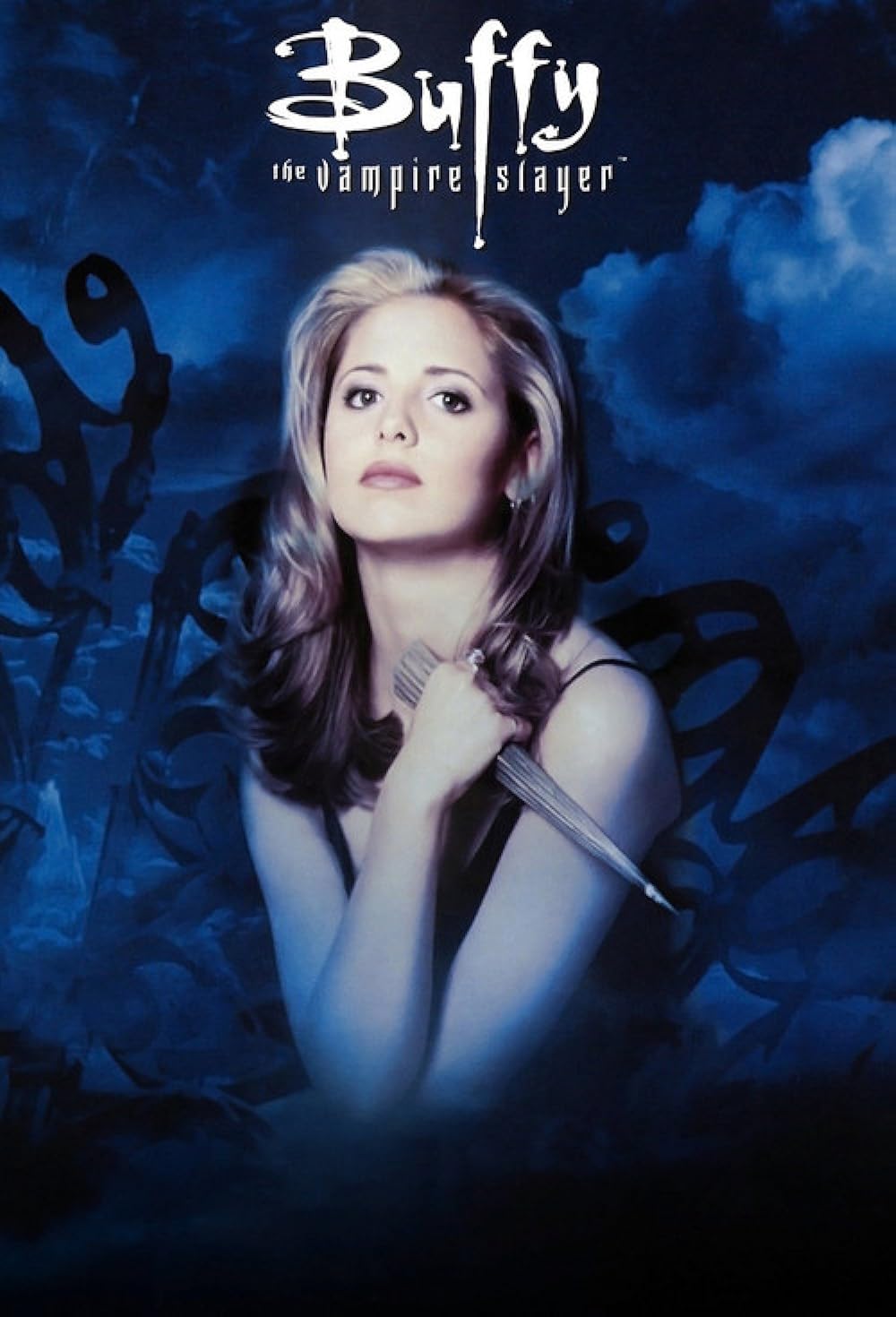
While it has been rumored for years (and still isn’t confirmed), talks of a Buffy the Vampire Slayer reboot are making the rounds once again. In an era where nearly everything from the 80s has seen a reboot, it’s inevitable that we’ll be seeing the 90s nostalgia wave soon, which will have to include this franchise revived in some capacity. With so many of the show’s actors recently reuniting for Slayers, an audible series, there’s also hard evidence that there’s still an interest in this show. And why wouldn’t there be? Buffy was a cultural phenomenon that influenced how TV series were written, some of the internet’s larger databases, and the handling of genre series such as horror and sci-fi going into the 21st century. It’s easy to look back on the show now and see its influence in much of the media we got in its wake, whether that be its writer getting catapulted to writing the earlier MCU films, continuous references to the show in pop culture, other genre successes like Supernatural copying its format, future generations taking inspiration from its style of dialogue, its lead actors being mid-2000s mainstays, or just acknowledging that it brought much of nerd culture to a mainstream audience.
I’m not going to spend this whole time waxing lyrical about how good of a show it was, but I do want to take a moment to acknowledge what made a low-budget genre show such a big success (aside from a stellar cast and writing team). Because if we are due for its reboot, we should be able to look back on what exactly made it work so well as it did.
The most obvious aspect to highlight is the show’s consistent structure, but that comes in two forms. The more easily identifiable aspect is the half-arc season it put into long form television. For those who don’t know what I mean, each season was roughly split between episodes directly relating to the season’s plot and more fun monster-of-the-week episodes that maybe didn’t care about the plot, but always cared about developing the cast and doing something interesting. It resulted in longer seasons where we got to know the characters both in and out of the big moments, allowing for a strong core group of characters to draw viewers back in every week, while also putting aside plenty of time to focus on the story.
The less easily defined aspect of the structure, but perhaps the more important one, was the focus it had on a singular theme. The show was named after Buffy, not just because she was the main character, but also because the show was about her life. Every single episode, in some form or another, was about an event or experience a real person would reasonably live through (albeit told via monsters as metaphors). The show kept this focus the whole way through. Early on it made metaphors about grasping societal standards, dealing with school bullies, troubles at home, and ill-fated romances, but it continued following Buffy through changes in lifestyle, the death of a loved one, that terrible first job we all have, coming to terms with our mortality, and struggling to decide what we’re going to do with our lives. All of it was very much a coming of age story, given the general age of the characters, but it focused on walking us through relatable moments in a person’s life, and making every single episode into Buffy’s experience with something the audience almost certainly knew. And honestly? Successfully making an end of the world plot and a metaphor for learning somebody didn’t love you after your first time together into one cohesive plot shouldn’t work on paper, but good writers with a strong, singular focus made it work.
Another integral aspect of the show was a willingness to experiment with the formula. Past the first two seasons, where they were still finding their footing and a place on the network, the show went out of its way to do at least one art piece episode per season, by which I specifically mean The Zeppo, Hush, Restless, The Body, Once More With Feeling, Conversations With Dead People, and Storyteller. If you’re reading this and you’ve never seen the show, these episodes (except maybe The Body for spoilers’ sake) would be among my recommendations to sell the show with. Rather than taking the same formula every episode, they forced themselves to do something interesting and unique once in a while. These episodes include a lower decks episode starring the sidekick while he goes about a mundane adventure while his friends save the world in the background, a silent episode, one where the scenes don’t end until the commercial break no matter how uncomfortable it becomes, a forty minute session with an evil therapist, and the best damn musical episode on television. They were wholly unique, and are often remembered as among the highlights of the show nowadays. I think it says a lot that the show had the space (both in terms of episode count and self assurance) to create risky episodes like this, and in every instance, they very firmly paid off.
Of course, we also have to talk about the star of the show. For the structure to matter, we have to care about the character going through it all, and for these wackier concepts to work, we need somebody to experience it all alongside. Expertly acted by Sarah Michelle Gellar, Buffy Summers was one of the biggest icons of the 90s, and in my humble opinion, one of television’s greatest heroes. Written around the concept of “what if the helpless cheerleader in the horror movie fought back?”, Buffy was at all times both an action hero and a lovable individual. The character was an incredible badass while also being allowed to be as traditionally feminine as she wanted, to look good without being a piece of eye candy for the audience, to be both the team’s fearless leader and a vulnerable young woman. While we’re starting to drift away from Hollywood’s idea of the “strong female character,” Buffy was exactly what that always should have been. It’s a tough balancing act, to make her the de facto hero and the best fighter, while allowing her to need rescuing sometimes. To make her a flawed person who developed organically over the show’s seven years. To make someone warm and lovable, while ensuring she could drop that in a second when she needed to, and pick it back up after. To have a hero who is always trying to do the right thing, but is occasionally just wrong because the world doesn’t revolve around her. To have her explicitly lose her chosen one status early on, but keep doing the job anyway just because she was able to, was perhaps the greatest piece of writing tied to her character. Because while the show is called Buffy the Vampire Slayer, she’s no longer THE Vampire Slayer as early as the second season, and she’s not even the team’s most capable powerhouse by the end of the show, yet they were still able to make her the hero in every situation through strength of character.
I won’t bore you by going through every character on the show, but her supporting cast was nearly as strongly written as she was. Willow, Xander, Giles, Cordelia, Angel, Anya, Spike, Dawn, and the many others were all strong personalities with key roles to play in the show. Even accounting for the characters I dislike, I sincerely can’t think of a single recurrent character who’s removal wouldn’t have radically altered the series in some way. And the fact that so many of these actors went on to other well-known projects and still make the rounds in the convention circuit speak volumes to how well remembered they were in their star-making roles. Just boasting a cast so strong and well-rounded that nobody is redundant is honestly such an impressive feat of writing.
In many ways, this was the show that many others chased in terms of quality. It was the show that inspired people to create an entire wiki devoted to cataloguing every piece of media out there. And while its spin-off life was relatively short for what a hit it was (one spin-off series, 4 video games, a handful of books, and a few comic runs), that’s still far more than many other series ever got. You don’t see Supernatural getting into other media forms despite running more than fifteen years, do you? It’s also still widely available on multiple platforms now, which allows for plenty of new viewers to find it even today, provided they can stomach how aggressively 90s it can be.
And there’s almost certainly going to be a reboot soon. It’s still just rumors, but there are some big names talking about it, with Dolly Parton of all people looking to produce. And given that Disney apparently went out of their way to prevent Slayers from doing a second season, I get the sense that they intend to use the IP for something soon. While I don’t particularly want a reboot, I think Buffy’s world is one that will lend itself very well to a continuing adventure following a new slayer, and I hope we get that instead of a straight reboot. And when it inevitably does happen, I just hope it’s given the same care the original show had. I hope it has time to breathe and the opportunity to freely jump between plot centric episodes and fun side stories. I hope it still knows how to experiment with the format and do the occasional artsy episode. And most of all I hope whatever new protagonist we get is as well-written and thought out as the original. There’s plenty of potential if it’s done right.
Just so long as it isn’t one of those eight episode miniature thingys with the monsters covered in CGI.
 Nerdcrash!